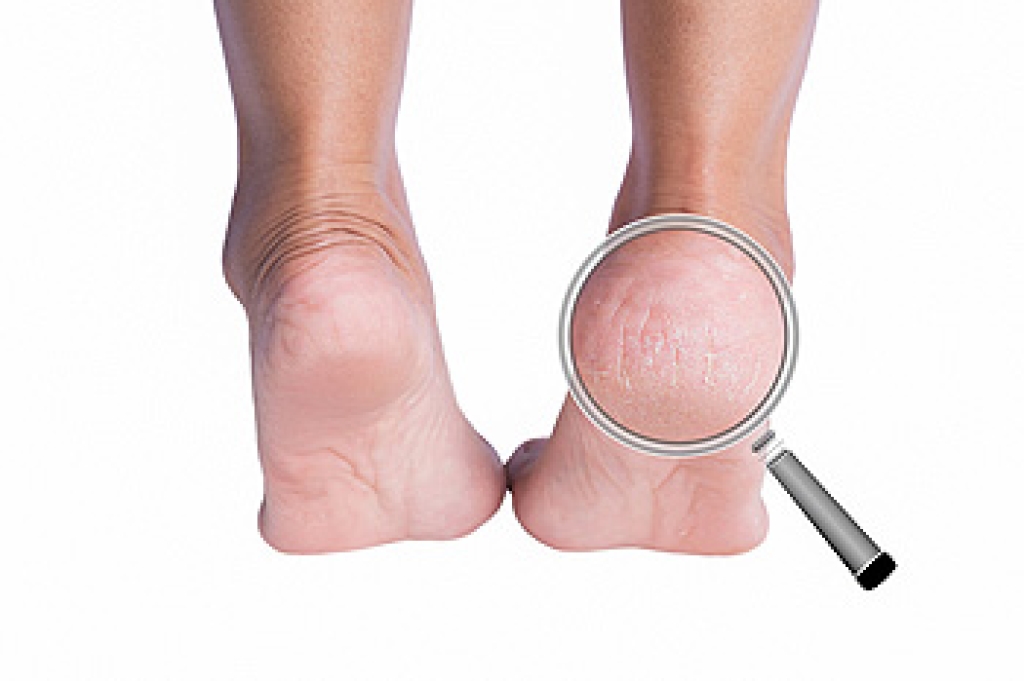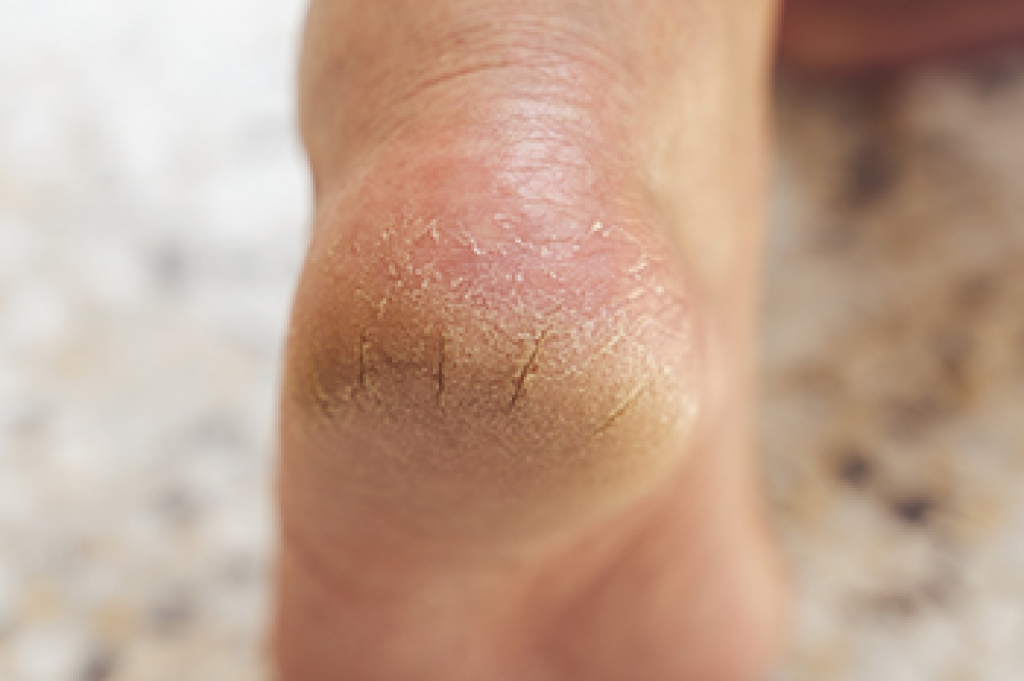
Causes and Symptoms of Cracked Heels

Cracked heels are a common foot condition that occurs when the skin surrounding the heel becomes excessively dry, thickened, and unable to stretch properly. As pressure builds, the skin splits, leading to visible cracks that may cause pain, bleeding, or discomfort. Common symptoms include rough, flaky skin, redness, and deep fissures along the heel. Cracked heels can develop due to vitamin deficiency, dry skin and dehydration, in addition to mechanical stress, prolonged barefoot walking, and excess pressure on the feet. Fungal infections and other skin conditions may also weaken the skin and contribute to cracking. A podiatrist can identify the underlying cause, provide professional debridement, recommend moisturizing treatments, and address infections or biomechanical issues. If you have painful cracked heels, it is suggested that you consult a podiatrist who can offer effective relief and treatment solutions, which may include prescribed medication. 

Cracked heels are unsightly and can cause further damage to your shoes and feet. If you have any concerns, contact One of our podiatrists from Oexeman Foot and Ankle, PLLC. our doctors can provide the care you need to keep you pain-free and on your feet.

Cracked Heels

Cracked heels appear unappealing and can make it harder for you walk around in sandals. Aside from looking unpleasant, cracked heels can also tear stockings, socks, and wear out your shoes. There are several methods to help restore a cracked heel and prevent further damage.

How Do You Get Them?

Dry skin is the number one culprit in creating cracked heels. Many athletes, walkers, joggers, and even swimmers suffer from cracked heels. Age and skin oil production play a role to getting cracked heels as well.

Promote Healing

Over the counter medicines can help, especially for those that need instant relief or who suffer from chronic dry feet.

Wear Socks – Wearing socks with medicated creams helps lock in moisture.

Moisturizers – Applying both day and night will help alleviate dryness which causes cracking.

Pumice Stones – These exfoliate and remove dead skin, which allows for smoother moisturizer application and better absorption into the skin. 

Change in Diet

Eating healthy with a well-balanced diet will give the skin a fresh and radiant look. Your body responds to the kinds of food you ingest. Omega-3 fatty acids and zinc supplements can also revitalize skin tissue.

Most importantly, seek professional help if unsure how to proceed in treating cracked heels. A podiatrist will help you with any questions or information needed. 

If you have any questions, please feel free to contact our office located in Chicago, IL . We offer the newest diagnostic and treatment technologies for all your foot care needs.


Read more about Solutions for Cracked Heels

Tarsal Tunnel Syndrome and Foot Health

Tarsal tunnel syndrome is a condition that occurs when the tibial nerve, located along the inner ankle, becomes compressed or irritated. This pressure can result from inflammation, swelling, bone spurs, or structural abnormalities in the foot. Common symptoms include tingling, burning, numbness, or sharp pain along the sole, heel, or arch, often worsening with prolonged standing or activity. If left untreated, the condition may affect mobility and lead to chronic discomfort. A podiatrist can evaluate nerve function, identify underlying causes, and create a personalized treatment plan. Care may include orthotics, anti-inflammatory strategies, or, in severe cases, surgical intervention. If you have pain on the inside or your ankle, it i s suggested that you consult a podiatrist who can accurately diagnose and treat what may be going on.

Tarsal tunnel syndrome can be very uncomfortable to live with. If you are experiencing tarsal tunnel syndrome, contact One of our podiatrists of Oexeman Foot and Ankle, PLLC. our doctors can provide the care you need to keep you pain-free and on your feet.

Tarsal Tunnel Syndrome

Tarsal tunnel syndrome, which can also be called tibial nerve dysfunction, is an uncommon condition of misfiring peripheral nerves in the foot. The tibial nerve is the peripheral nerve in the leg responsible for sensation and movement of the foot and calf muscles. In tarsal tunnel syndrome, the tibial nerve is damaged, causing problems with movement and feeling in the foot of the affected leg.

Common Cause of Tarsal Tunnel Syndrome

  • Involves pressure or an injury, direct pressure on the tibial nerve for an extended period of time, sometimes caused by other body structures close by or near the knee.
  • Diseases that damage nerves, including diabetes, may cause tarsal tunnel syndrome.
  • At times, tarsal tunnel syndrome can appear without an obvious cause in some cases.

The Effects of Tarsal Tunnel Syndrome

  • Different sensations, an afflicted person may experience pain, tingling, burning or other unusual sensations in the foot of the affected leg.
  • The foot muscles, toes and ankle become weaker, and curling your toes or flexing your foot can become difficult.
  • If condition worsens, infections and ulcers may develop on the foot that is experiencing the syndrome.

A physical exam of the leg can help identify the presence of tarsal tunnel syndrome. Medical tests, such as a nerve biopsy, are also used to diagnose the condition. Patients may receive physical therapy and prescriptive medication. In extreme cases, some may require surgery.

If you have any questions please contact our office located in Chicago, IL . We offer the newest diagnostic and treatment technologies for all your foot and ankle needs.

Read more about Tarsal Tunnel Syndrome

Common Causes of Foot Pain

Foot pain can arise from a variety of medical conditions that affect circulation, metabolism, or joint health. Vascular disease may reduce blood flow, causing cold or painful feet. Diabetes can lead to neuropathy, resulting in numbness, tingling, or slow-healing wounds. Thyroid disorders may cause swelling, stiffness, or changes in foot structure. Gout produces sudden, intense joint pain and redness, often in the big toe. Bunions create a visible bump, discomfort, and difficulty walking. Recognizing symptoms early is essential for preventing complications. A podiatrist can evaluate underlying causes, provide customized treatment plans, and offer interventions like orthotics, footwear recommendations, or specialized care to manage pain and improve mobility. If you have any type of foot problem, it is suggested that you promptly consult a podiatrist who can accurately diagnose and treat various foot and ankle conditions.

Foot Pain

Foot pain can be extremely painful and debilitating. If you have a foot pain, consult with One of our podiatrists from Oexeman Foot and Ankle, PLLC. our doctors will assess your condition and provide you with quality foot and ankle treatment.

Causes

Foot pain is a very broad condition that could be caused by one or more ailments. The most common include:

  • Bunions
  • Hammertoes
  • Plantar Fasciitis
  • Bone Spurs
  • Corns
  • Tarsal Tunnel Syndrome
  • Ingrown Toenails
  • Arthritis (such as Gout, Rheumatoid, and Osteoarthritis)
  • Flat Feet
  • Injury (from stress fractures, broken toe, foot, ankle, Achilles tendon ruptures, and sprains)
  • And more

Diagnosis

To figure out the cause of foot pain, podiatrists utilize several different methods. This can range from simple visual inspections and sensation tests to X-rays and MRI scans. Prior medical history, family medical history, and any recent physical traumatic events will all be taken into consideration for a proper diagnosis.

Treatment

Treatment depends upon the cause of the foot pain. Whether it is resting, staying off the foot, or having surgery; podiatrists have a number of treatment options available for foot pain.

If you have any questions, please feel free to contact our office located in Chicago, IL . We offer the newest diagnostic and treatment technologies for all your foot care needs.

Read more about Foot Pain

Do Your Child's Feet Hurt?

Have your child's feet been examined lately? Healthy feet are happy feet. If your child is complaining of foot pain, it may be a sign of underlying problems.

Choosing the Right Shoes for Medical Professionals

Medical professionals spend long hours on their feet, making the right shoes essential for comfort and support throughout the day. Good footwear should offer comfort, versatility, durability, and a proper fit to prevent fatigue and strain. Popular choices include clogs, slip on shoes, and supportive sneakers, each offering unique benefits such as cushioning, stability, and ease of movement. A well-constructed shoe can reduce stress on the feet, ankles, and lower back while improving overall posture. A podiatrist can assess your foot structure and recommend footwear that best matches your work demands and comfort needs. If your current shoes are causing discomfort or fatigue, or if you have developed foot pain, it is suggested that you consult a podiatrist who can treat various foot conditions, and guide you on the correct shoes to wear. 

While working on the feet, it is important to take the proper care of them. For more information about working on your feet, contact One of our podiatrists from Oexeman Foot and Ankle, PLLC. our doctors will treat your foot and ankle needs.

Working on Your Feet

Standing on your feet for long periods of time can cause stress and pain in your feet. Your whole body may experience change in terms of posture, back pain, bunions, callouses and or plantar warts. There are ways to avoid these conditions with proper foot care, smart choices and correct posture.

Positive Changes

Negative heeled shoe – Choosing this shoe type places the heel slightly lower than the ball of the foot. These are great for overall foot health. Find shoes that fit you correctly.

Go barefoot – Our feet were not designed to be enclosed for all hours of the day. Try to periodically expose your feet to air.

Eliminate Pain

Foot Exercises – Performing simple exercises, incorporating yoga and doing stretches are beneficial. This will allow increased blood flow to the area and muscles of the foot.

Achilles tendon – Stretching the foot out flat on the floor will relax the calf muscles and tendon. These exercises can be performed almost anywhere. Make sure you add these exercises to your daily regimen. 

With a little bit of this information and knowing more about foot health, you will notice changes. Foot stretches and proper footwear will help with pain and prevent further issues.

If you have any questions please contact our office located in Chicago, IL . We offer the newest diagnostic and treatment technologies for all your foot and ankle needs.

Read more about How to Handle a Long Work Day on Your Feet

Connect With Us

scroll to top