
When Swelling in the Feet Tells a Bigger Story

Swelling of the feet occurs when excess fluid builds up in the tissues. It is often linked to underlying medical conditions, circulation problems, prolonged standing, or pregnancy. Symptoms include puffiness, tight skin, aching, and a heavy sensation that worsens as the day goes on. The feet may look enlarged or shiny, and pressing on the skin can leave a temporary indentation. This swelling can feel uncomfortable or painful and may limit movement or make shoes feel tight. A podiatrist can help by beginning with a thorough evaluation to determine the cause, including reviewing medical history and ordering imaging or other tests when needed. Treatment may focus on reducing fluid buildup through lifestyle guidance, compression support, and targeted exercises to improve circulation. Ongoing care helps protect skin health and prevent complications. If you have swelling of the feet, it is suggested that you make an appointment with a podiatrist.

Swollen feet can be a sign of an underlying condition. If you have any concerns, contact One of our podiatrists of Oexeman Foot and Ankle, PLLC. our doctors can provide the care you need to keep you pain-free and on your feet.

Swollen feet are a common ailment among pregnant women and people who stand or sit for extended periods. Aging may increase the possibility of swollen feet and patients who are obese often notice when their feet are swelling too. There may be medical reasons why swollen feet occur:

  • Phlebitis - A condition that causes the veins to become inflamed and can also cause leg pain.
  • Liver disease - This may lead to low blood levels of albumin which is a protein. This can cause fluid in the blood to pass into the tissues and several areas of the body can become swollen.
  • Heart failure - When the heart doesn’t pump properly the blood that is normally pumped back to the heart can pool in the veins of the legs causing swollen feet.
  • Kidney disease - One of the main functions of the kidneys is releasing excess fluid in the body. This type of condition can make it difficult for the kidneys to function properly, and as a result the feet may become swollen.
  • Deep-vein thrombosis (DVT)- This is a serious condition where blood clots form in the veins of the legs. They can block the return of blood from the legs to the heart which may cause the feet to swell. It is important to be treated by a podiatrist if this condition is present.

Swollen feet can also be caused by bone and tendon conditions, including fractures, arthritis, and tendinitis. Additionally, there may be skin and toenail conditions and an infection may cause the feet to swell. Patients who take medicine to treat high blood pressure may be prone to getting swollen feet. 

Many patients elevate their feet to help relieve the swelling and this is generally a temporary remedy. When a podiatrist is consulted the reason behind the swelling can be uncovered and subsequently treated.

If you have any questions please contact our office located in Chicago, IL . We offer the newest diagnostic and treatment technologies for all your foot and ankle needs.

Read more about Swelling of the Feet

When Heel Pain Greets the First Step

Plantar fasciitis is a common cause of heel pain that develops when the thick band of tissue supporting the arch becomes strained or inflamed. It often begins gradually and is frequently linked to overuse, foot mechanics, prolonged standing, or unsupportive footwear. Symptoms usually include sharp or aching pain in the heel, stiffness after rest, and discomfort that improves slightly with movement but returns later in the day. The heel may look normal or mildly swollen, yet it can feel tender, tight, or burning with pressure. Common contributing factors include repetitive stress, tight calf muscles, and weight changes such as soreness, inflammation, and reduced flexibility. A podiatrist can help by starting with a detailed examination and imaging when necessary to confirm the diagnosis and rule out other causes of heel pain. Treatment often begins with footwear guidance, supportive devices, and custom orthotics, then progresses to medications, targeted exercises, or advanced procedures if symptoms persist. If you think you may have heel pain, it is suggested that you make an appointment with a podiatrist.

Plantar fasciitis can be very painful and inconvenient. If you are experiencing heel pain or symptoms of plantar fasciitis, contact One of our podiatrists  from Oexeman Foot and Ankle, PLLC. our doctors can provide the care you need to keep you pain-free and on your feet.

What Is Plantar Fasciitis?

Plantar fasciitis is the inflammation of the thick band of tissue that runs along the bottom of your foot, known as the plantar fascia, and causes mild to severe heel pain.

What Causes Plantar Fasciitis?

  • Excessive running
  • Non-supportive shoes
  • Overpronation
  • Repeated stretching and tearing of the plantar fascia

How Can It Be Treated?

  • Conservative measures – anti-inflammatories, ice packs, stretching exercises, physical therapy, orthotic devices
  • Shockwave therapy – sound waves are sent to the affected area to facilitate healing and are usually used for chronic cases of plantar fasciitis
  • Surgery – usually only used as a last resort when all else fails. The plantar fascia can be surgically detached from the heel

While very treatable, plantar fasciitis is definitely not something that should be ignored. Especially in severe cases, speaking to your doctor right away is highly recommended to avoid complications and severe heel pain. Your podiatrist can work with you to provide the appropriate treatment options tailored to your condition.

If you have any questions, please feel free to contact our office located in Chicago, IL . We offer the newest diagnostic and treatment technologies for all your foot care needs.

Read more about Plantar Fasciitis

Why Live with Pain and Numbness in Your Feet?

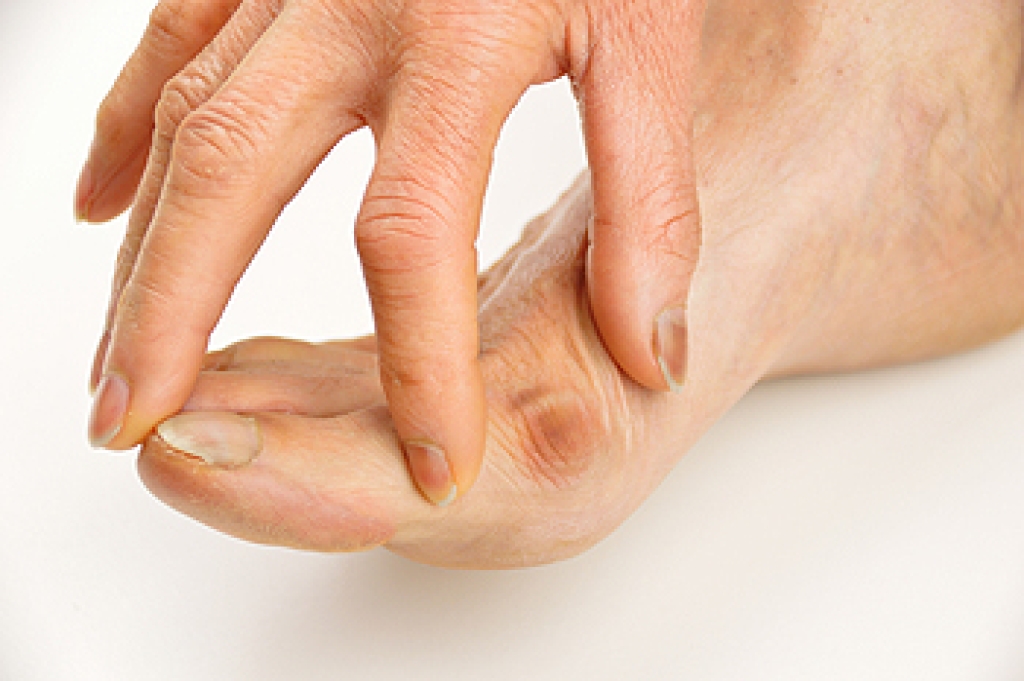
Suffering from this type of pain? You may have the foot condition known as Morton's neuroma. Morton's neuroma may develop as a result of ill-fitting footwear and existing foot deformities. We can help.

Essential Facts About Bunions and Foot Health

A bunion is a bony bump that forms at the base of the big toe, causing the joint to shift and the toe to angle inward. Genetics can play a significant role in bunion development, as foot structure traits are often inherited. Symptoms may include pain, swelling, redness, and difficulty wearing certain shoes. Ill-fitting footwear that is tight, narrow, or high-heeled can worsen the condition, over time. Risk factors include flat feet, arthritis, and prolonged pressure on the big toe joint. A podiatrist can evaluate the severity of a bunion, recommend proper footwear, provide custom orthotics, and offer medical or surgical treatment options. If you have developed a bunion, it is suggested that you consult a podiatrist who can offer effective relief and management tips.

If you are suffering from bunions, contact One of our podiatrists of Oexeman Foot and Ankle, PLLC. our doctors can provide the care you need to keep you pain-free and on your feet.

What Is a Bunion?

A bunion is formed of swollen tissue or an enlargement of boney growth, usually located at the base joint of the toe that connects to the foot. The swelling occurs due to the bones in the big toe shifting inward, which impacts the other toes of the foot. This causes the area around the base of the big toe to become inflamed and painful.

Why Do Bunions Form?

Genetics – Susceptibility to bunions are often hereditary

Stress on the feet – Poorly fitted and uncomfortable footwear that places stress on feet, such as heels, can worsen existing bunions

How Are Bunions Diagnosed?

Podiatrists often perform two tests – blood tests and x-rays – when trying to diagnose bunions, especially in the early stages of development. Blood tests help determine if the foot pain is being caused by something else, such as arthritis, while x-rays provide a clear picture of your bone structure to your provider.

How Are Bunions Treated?

  • Refrain from wearing heels or similar shoes that cause discomfort
  • Select wider shoes that can provide more comfort and reduce pain
  • Anti-inflammatory and pain management drugs
  • Orthotics or foot inserts
  • Surgery

If you have any questions, please feel free to contact our office located in Chicago, IL . We offer the newest diagnostic and treatment technologies for all your foot care needs.

Read more about Bunions

Non-Diabetes-Related Foot Ulcers

A non-diabetes-related foot ulcer is an open sore on the foot that develops from factors other than diabetes. These ulcers often form due to poor circulation, pressure, trauma, or underlying skin conditions. Common causes include arterial disease, venous insufficiency, friction from footwear, and repetitive stress. Types of non diabetes related ulcers may include arterial ulcers, venous ulcers, and pressure ulcers, each affecting the foot in different ways. Symptoms can include slow healing wounds, drainage, redness, pain, or skin breakdown. A podiatrist can identify the type and cause of the ulcer, provide proper wound care, improve pressure distribution, and help prevent infection or further tissue damage. If you notice a sore on your foot that does not heal or worsens over time, it is strongly suggested that you schedule an appointment with a podiatrist for an evaluation and expert care.

Wound care is an important part in dealing with diabetes. If you have diabetes and a foot wound or would like more information about wound care for diabetics, consult with One of our podiatrists from Oexeman Foot and Ankle, PLLC. our doctors will assess your condition and provide you with quality foot and ankle treatment.

What Is Wound Care?

Wound care is the practice of taking proper care of a wound. This can range from the smallest to the largest of wounds. While everyone can benefit from proper wound care, it is much more important for diabetics. Diabetics often suffer from poor blood circulation which causes wounds to heal much slower than they would in a non-diabetic. 

What Is the Importance of Wound Care?

While it may not seem apparent with small ulcers on the foot, for diabetics, any size ulcer can become infected. Diabetics often also suffer from neuropathy, or nerve loss. This means they might not even feel when they have an ulcer on their foot. If the wound becomes severely infected, amputation may be necessary. Therefore, it is of the upmost importance to properly care for any and all foot wounds.

How to Care for Wounds

The best way to care for foot wounds is to prevent them. For diabetics, this means daily inspections of the feet for any signs of abnormalities or ulcers. It is also recommended to see a podiatrist several times a year for a foot inspection. If you do have an ulcer, run the wound under water to clear dirt from the wound; then apply antibiotic ointment to the wound and cover with a bandage. Bandages should be changed daily and keeping pressure off the wound is smart. It is advised to see a podiatrist, who can keep an eye on it.

If you have any questions please contact our office located in Chicago, IL . We offer the newest diagnostic and treatment technologies for all your foot and ankle needs.

Read more about Wound Care

Connect With Us

scroll to top