Toenail Disorders in Elderly People and the Value of Podiatric Care

Toenail disorders are common among elderly people as natural aging-related changes affect nail growth and overall foot health. Nails often grow more slowly and may become thicker, brittle, or discolored, over time. Some individuals may develop nail hypertrophy, a condition in which the nail plate becomes abnormally thick and difficult to trim. Causes include reduced circulation, long-term pressure from footwear, fungal infections, and drug-related interactions that influence nail growth patterns. Symptoms may include thickened nails, discomfort while walking, and difficulty maintaining proper nail care. Risk factors include limited mobility, chronic health conditions, and decreased vision that makes self-care challenging. A podiatrist can safely trim and treat abnormal nails. If toenail changes or discomfort develop, it is suggested that you seek podiatric care to maintain healthy feet and mobility.

If you need your feet checked, contact One of our podiatrists of Oexeman Foot and Ankle, PLLC. our doctors will attend to all of your foot and ankle needs and provide you with quality treatment.

Geriatrics and Podiatry
When people age, some common issues that may occur are bone density loss, dry skin, poor circulation, and rough brittle nails. These issues may also affect your foot health if the necessary steps are not taken to alleviate the problems.

It is important to take care of your feet because feet that are injured or diseased can affect your overall health. Having painful feet hinders your ability to do daily activities or may decrease your willingness to do the things that you need to do.

Visiting Your Geriatrician
As we age, health problems become more likely, so it is essential to visit your doctor for check-ups to ensure that you are doing the best you can to take care of your health. It is recommended to check your feet frequently for any possible cuts, bruises, swelling, corns or any other irregularities. 

Taking Care of Elderly Feet
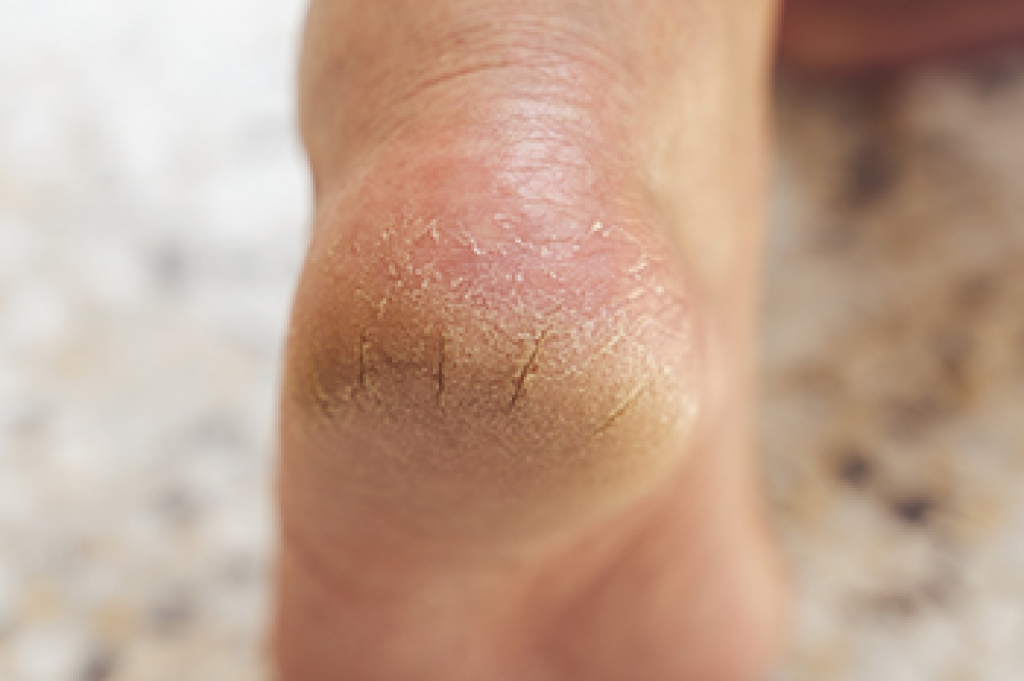
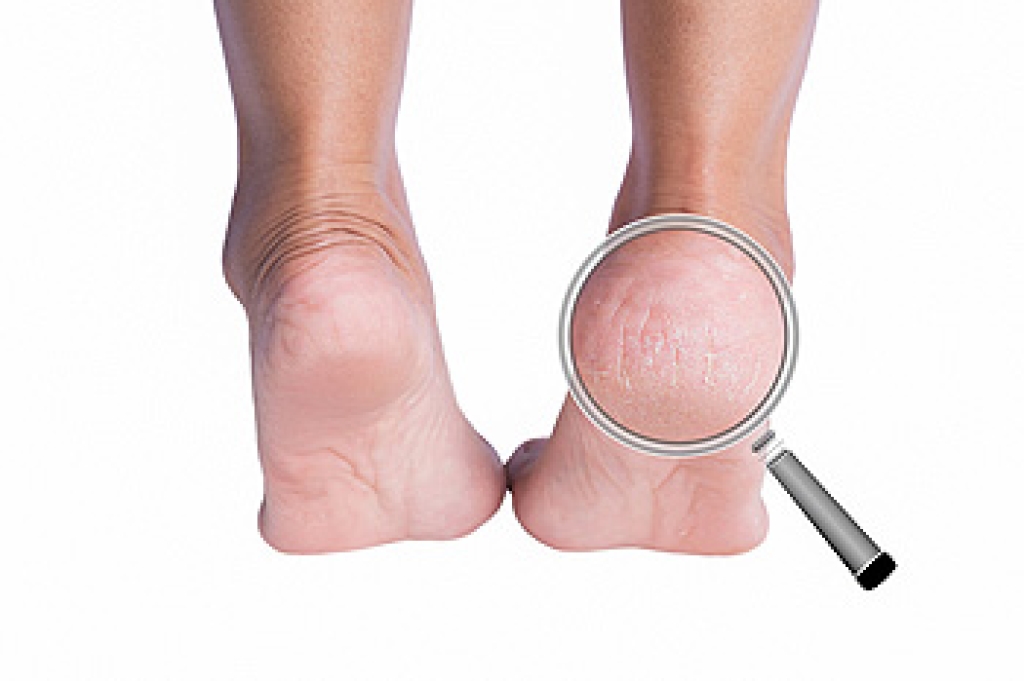
Cracked or dry feet can be treated by applying moisturizer often. It is also important not to wear old socks because the older the sock is, the higher the possibility there will be that there is bacteria there. Wear fresh socks and make sure they fit properly.

Proper foot health means that you can have a more active lifestyle and you will not be bogged down by pain. Foot health also leads to good circulation, which is paramount for overall health.

If you have any questions, please feel free to contact our office located in Chicago, IL . We offer the newest diagnostic and treatment technologies for all your foot care needs.


Read more about Elderly and their Feet

How Nerve Damage Contributes to Serious Foot Complications in Diabetic Patients

Long-standing high blood sugar can injure the small nerves in the feet, leading to reduced feeling or complete numbness. This nerve-related damage makes it difficult to notice cuts, blisters, or pressure sores. Without normal sensation, minor injuries may worsen before they are discovered. At the same time, circulation problems can slow healing and increase infection risk. Diabetic foot syndrome refers to a combination of nerve loss, poor blood flow, and skin breakdown that can lead to deep wounds or even bone infection. Dry skin, callus build-up, and foot-shape changes may add further pressure to vulnerable areas. What begins as a small sore can quickly progress without proper care. Daily foot checks, blood-sugar control, and wearing well-fitting shoes are critical protective steps. Early medical attention reduces the risk of serious complications. If you have diabetes and notice numbness, tingling, color changes, or a slow-healing sore on your foot, it is suggested that you see a podiatrist for a proper diagnosis and appropriate treatment.

Neuropathy

Neuropathy can be a potentially serious condition, especially if it is left undiagnosed. If you have any concerns that you may be experiencing nerve loss in your feet, consult with One of our podiatrists from Oexeman Foot and Ankle, PLLC. our doctors will assess your condition and provide you with quality foot and ankle treatment for neuropathy.

What Is Neuropathy?

Neuropathy is a condition that leads to damage to the nerves in the body. Peripheral neuropathy, or neuropathy that affects your peripheral nervous system, usually occurs in the feet. Neuropathy can be triggered by a number of different causes. Such causes include diabetes, infections, cancers, disorders, and toxic substances.

Symptoms of Neuropathy Include:

  • Numbness
  • Sensation loss
  • Prickling and tingling sensations
  • Throbbing, freezing, burning pains
  • Muscle weakness

Those with diabetes are at serious risk due to being unable to feel an ulcer on their feet. Diabetics usually also suffer from poor blood circulation. This can lead to the wound not healing, infections occurring, and the limb may have to be amputated.

Treatment

To treat neuropathy in the foot, podiatrists will first diagnose the cause of the neuropathy. Figuring out the underlying cause of the neuropathy will allow the podiatrist to prescribe the best treatment, whether it be caused by diabetes, toxic substance exposure, infection, etc. If the nerve has not died, then it’s possible that sensation may be able to return to the foot.

Pain medication may be issued for pain. Electrical nerve stimulation can be used to stimulate nerves. If the neuropathy is caused from pressure on the nerves, then surgery may be necessary.

If you have any questions, please feel free to contact our office located in Chicago, IL . We offer the newest diagnostic and treatment technologies for all your foot care needs.

Read more about Neuropathy

Are You Suffering From Ingrown Toenails?

If left untreated, an ingrown toenail can lead to more serious concerns, such as an infection. Knowing proper nail care can help in the prevention of an ingrown toenail. Give us a call, and get treated!

Understanding Charcot Neuroarthropathy and Why Early Care Matters

Charcot neuroarthropathy, or CN,  is a serious foot condition most often seen in people with nerve damage, especially those with diabetes. Because sensation is reduced, small injuries or stress fractures may go unnoticed. Continued walking on an injured foot can trigger inflammation, bone weakening, and joint collapse. The foot may become swollen, warm, red, and unstable, sometimes changing shape over a short period of time. Pain may be mild or absent, which can delay treatment. As the structure of the foot breaks down, pressure increases on certain areas, raising the risk of skin breakdown and ulcers. Early recognition and offloading are critical to slowing progression and protecting the foot. Management may include immobilization, custom bracing, and long-term footwear changes to maintain stability. If you notice unexplained swelling, warmth, or shape changes in your foot, it is suggested that you see a podiatrist promptly for evaluation and appropriate care.

Some foot conditions may require additional professional care. If you have any concerns, contact One of our podiatrists of Oexeman Foot and Ankle, PLLC. our doctors can provide the care you need to keep you pain-free and on your feet.

Rare Foot Conditions

The majority of foot conditions are common and can be treated by a podiatrist.  Standard diagnostic procedures are generally used to identify specific conditions and treatment can be rendered. A podiatrist also treats rare foot conditions which can be difficult to diagnose and may need extra attention and care. 

There are many rare foot conditions that can affect children. Some of these can include:

  • Freiberg’s disease
  • Kohler’s disease
  • Maffucci syndrome

Freiberg’s disease - This can be seen as a deterioration and flattening of a metatarsal bone that exists in the ball of the foot. It typically affects pre-teen and teenage girls, but can affect anyone at any age. Symptoms that can accompany this can be swelling, stiffness, and the patient may limp. 

Kohler’s disease - This often targets the bone in the arch of the foot and affects younger boys. It can lead to an interruption of the blood supply which ultimately can lead to bone deterioration. The patient may limp or experience tenderness, swelling, and redness.

Maffucci syndrome - This affects the long bones in a child’s foot leading to the development of abnormal bone lesions. They are benign growths and typically develop in early childhood and the bones may be susceptible to breaking. 

A podiatrist can properly diagnose and treat all types of rare foot conditions. If your child is affected by any of these symptoms or conditions, please don’t hesitate to call our office so the correct treatment method can begin.

If you have any questions, please feel free to contact our office located in Chicago, IL . We offer the newest diagnostic and treatment technologies for all your foot care needs.
Read more about Rare Foot Conditions

Understanding the Progression of Gout in the Feet

Gout is a form of inflammatory arthritis that often affects the joints of the feet and progresses through distinct stages. Asymptomatic hyperuricemia occurs when uric acid levels rise, but no pain or swelling is present. Acute gout is marked by sudden flare episodes with intense joint pain, redness, warmth, and swelling, commonly in the big toe. Intercritical or interval gout refers to the symptom-free periods between flares, even though uric acid crystals remain in the joint. Additionally, chronic tophaceous gout develops after years of repeated attacks and involves ongoing pain, joint stiffness, and firm crystal deposits that can damage bone and soft tissue. Early stages may seem manageable, but progression can lead to lasting joint problems. Identifying the stage helps guide appropriate care and long-term management. If foot joint pain or repeated flares occur, it is suggested that you see a podiatrist for appropriate care.

Gout is a foot condition that requires certain treatment and care. If you are seeking treatment, contact One of our podiatrists from Oexeman Foot and Ankle, PLLC. our doctors will treat your foot and ankle needs.

What Is Gout?

Gout is a type of arthritis caused by a buildup of uric acid in the bloodstream. It often develops in the foot, especially the big toe area, although it can manifest in other parts of the body as well. Gout can make walking and standing very painful and is especially common in diabetics and the obese.

People typically get gout because of a poor diet. Genetic predisposition is also a factor. The children of parents who have had gout frequently have a chance of developing it themselves.

Gout can easily be identified by redness and inflammation of the big toe and the surrounding areas of the foot. Other symptoms include extreme fatigue, joint pain, and running high fevers. Sometimes corticosteroid drugs can be prescribed to treat gout, but the best way to combat this disease is to get more exercise and eat a better diet.

If you have any questions, please feel free to contact our office located in Chicago, IL . We offer the newest diagnostic and treatment technologies for all your foot care needs.

Read more about Everything You Need to Know About Gout

Connect With Us

scroll to top